Have you ever wondered how modern cities like Kyiv adapt to the challenges of urbanization? Growing populations and the need to enhance urban comfort drive the implementation of innovative solutions. One such solution is interactive smart kiosks. They transform urban spaces into convenient environments where residents can quickly access necessary information, use services, or navigate their surroundings. Kyiv is actively integrating these technologies, making the city comfortable for both residents and tourists.
A smart kiosk is a modern interactive device that serves as an information and service hub. Its main feature is a touchscreen that provides easy access to functions such as information retrieval, service payments, or interaction with city services. These kiosks are designed for use in public spaces and can operate both indoors and outdoors.
Interactive smart kiosks, such as the Elpix K5, feature a robust casing and protection against external impacts, making them ideal for challenging operational conditions. They are equipped with:
Their capabilities can be seen in the video review:
An interactive smart kiosk at public transport stops greatly simplifies city navigation. Key features include:
Interactive kiosks in tourist areas provide information about historical landmarks, routes to attractions, and recommendations for tourists. They can display multimedia content, such as video tours, and offer ticket purchasing for museums or theaters.
In parks, smart kiosks provide area maps, highlight resting spots, sports zones, and playgrounds. They also inform about the area’s environmental status and planned events. Built-in audio systems can broadcast announcements or play music during events.
At transport hubs, kiosks help passengers find the right platform or gate, provide schedules, and even allow ticket purchasing on-site. They can also offer real-time updates on flight statuses and recommend nearby cafes or shops.
In malls, interactive smart kiosks help visitors locate stores, restaurants, or rest zones. They also inform about promotions and special offers, ensuring convenience for visitors. Additionally, kiosks can be used for customer feedback, enabling clients to leave reviews about services.
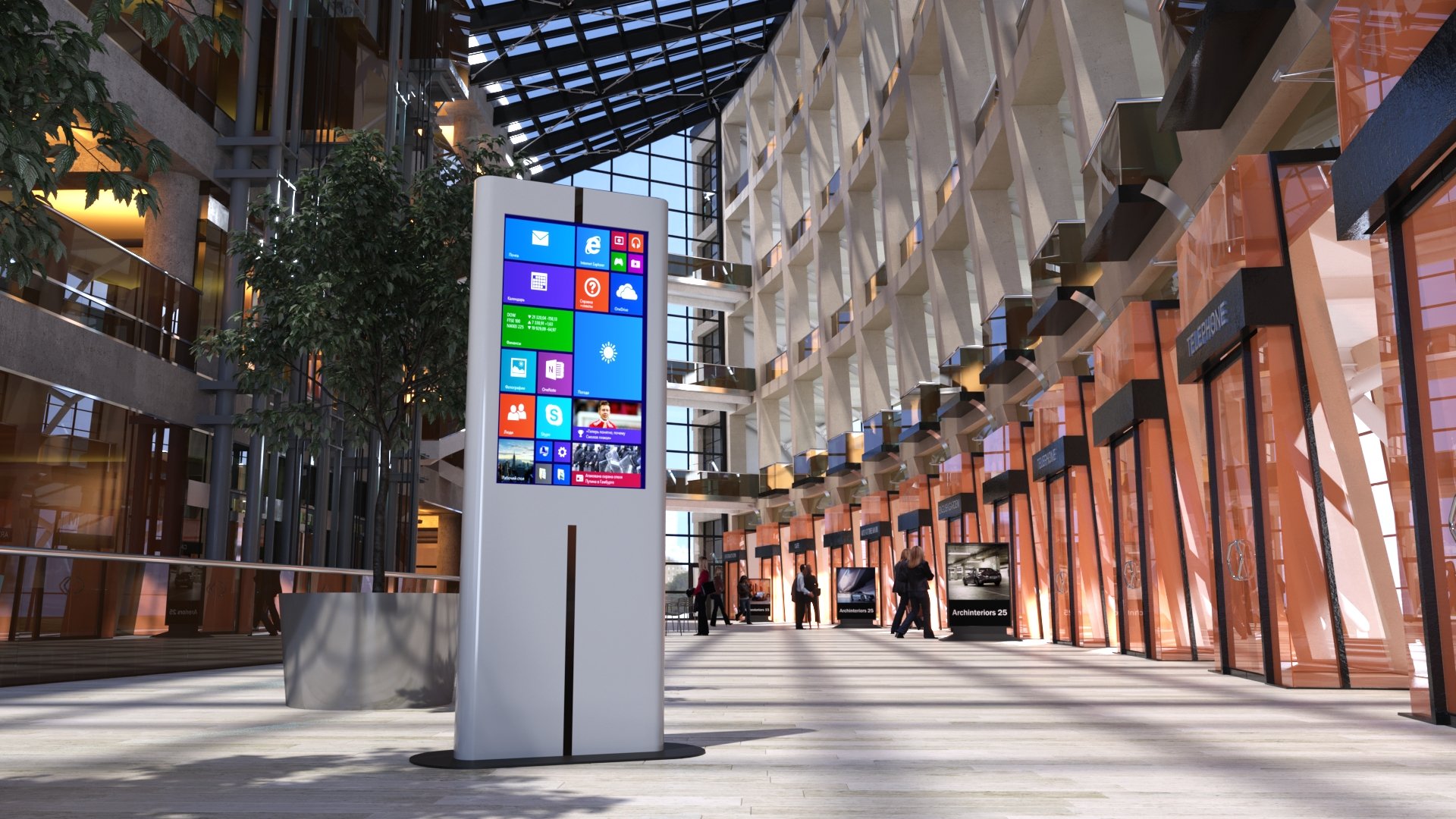
Smart kiosks in administrative buildings allow residents to join electronic queues, submit documents, or obtain reference information. They can also provide access to city electronic services, such as property registration or fine payments.
In city squares, kiosks serve as information centers, providing details about festivals, exhibitions, or other events. They can also be used for voting in urban initiatives or for navigation during large-scale events.
In libraries, schools, or universities, smart kiosks offer access to book catalogs, class schedules, or event information. In museums, such devices can become part of interactive exhibitions, providing visitors with additional materials or audio guides.
Smart kiosks integrate technology into everyday life, making cities more convenient for residents and tourists. Interactive smart kiosks provide quick access to information, save time, and ensure seamless interaction with city services. They are becoming an indispensable part of modern urban infrastructure.